Bimmer PHD Motorsports

Owner's Guide

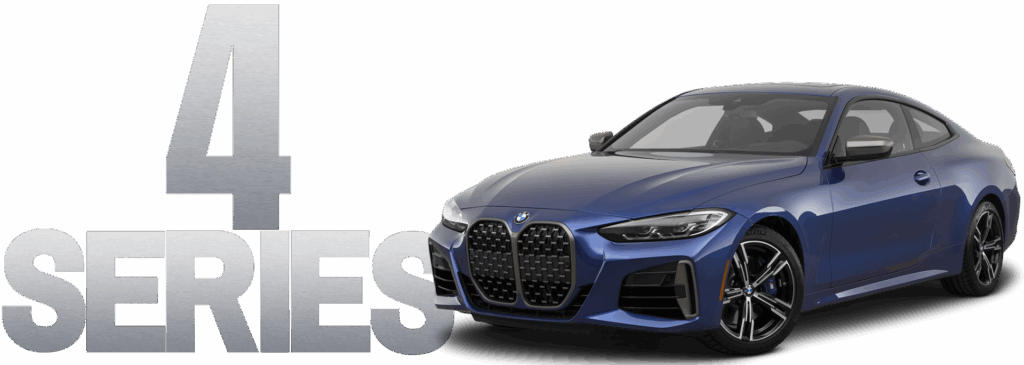
BMW 4 SERIES

From the First F-Chassis to the Fully Electric i4

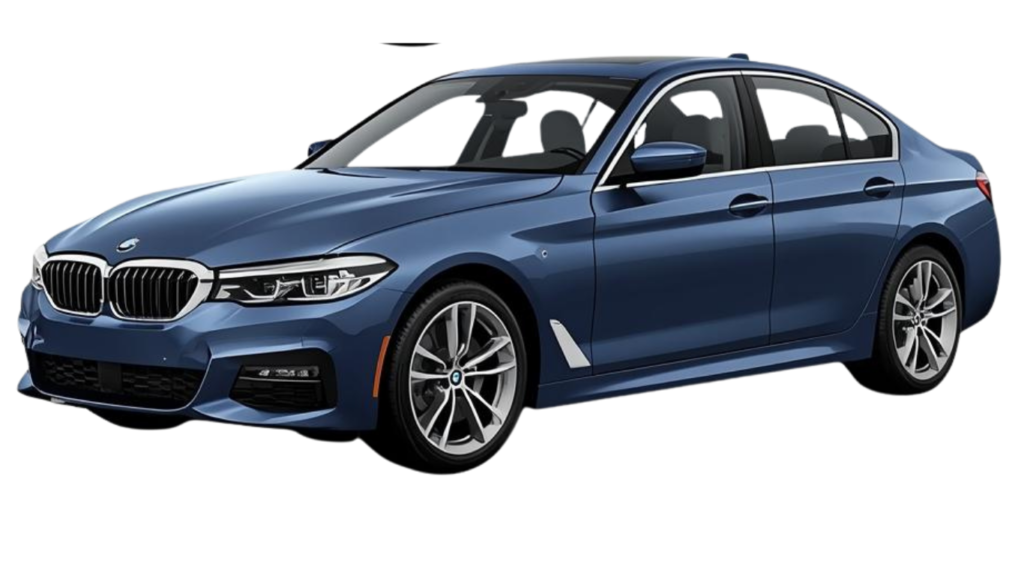
The BMW 4-Series was created to separate BMW’s sportier coupes and convertibles from the traditional 3-Series sedan. While it shares DNA with the 3-Series, the 4-Series leans harder into design, performance, and technology—and later becomes the gateway into BMW’s electrification strategy.

If you’ve ever wondered:

  • “Is my 4-Series basically a 3-Series?”

  • “What engine do I actually have?”

  • “Where does the i4 fit in?”

This guide answers that.
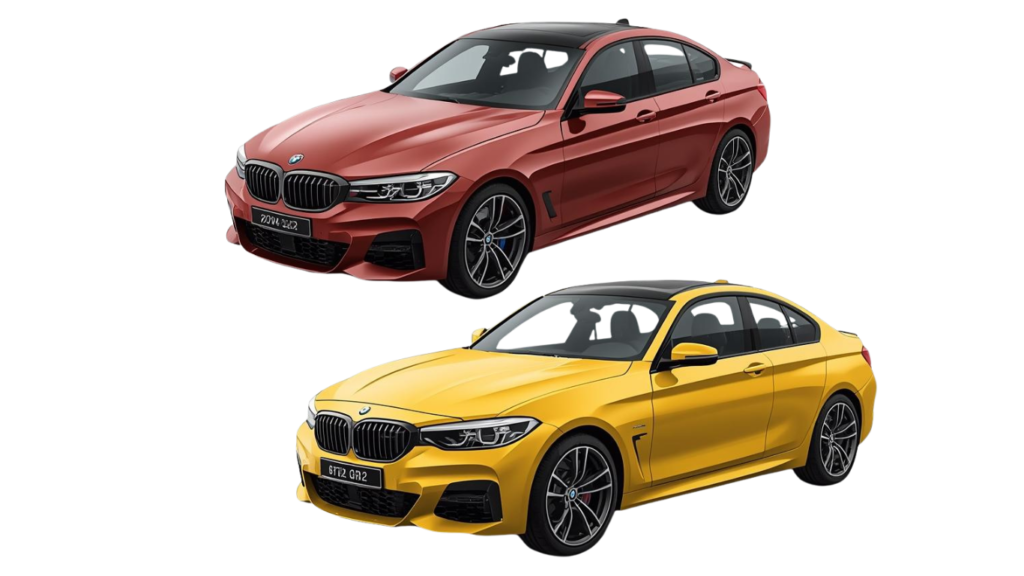
F32 / F33 / F36 – The First 4-Series (2014–2020)

Production Years: 2014–2020
Body Styles:

  • F32 – Coupe                               
  • F33 – Convertible
  • F36 – Gran Coupe (4-door fastback)


Common Models: 428i, 430i, 435i, 440i, M4

Engines & Horsepower

  • N20 / B48 (Turbo I4): ~240–255 hp

  • N55 (Turbo I6): ~300 hp

  • B58 (Turbo I6): ~320–335 hp

  • S55 (M4): ~425–444 hp (Competition models higher)

Why BMW Built It

  • Lower, wider, more aggressive than the 3-Series

  • Frameless doors and sport-focused suspension tuning

  • Same engineering foundation, sharper personality

Common Ownership Considerations

  • Timing chain concerns on early N20 engines

  • Cooling and oil filter housing leaks

  • Convertible top maintenance on F33 models

Who it’s for

Drivers who want sportiness and style without going full M-car.

G22 / G23 / G26 – Second Generation & Major Tech Leap (2021–Present) ICE- Internal Combustion Engine.

Production Years: 2021–Present
Body Styles:

  • G22 – Coupe

  • G23 – Convertible

  • G26 – Gran Coupe

Common Models: 430i, M440i, M4

Engines & Horsepower

  • B48 (Turbo I4): ~255 hp

  • B58 (Turbo I6): ~382 hp (M440i)

  • S58 (M4): ~473–503 hp+

What Changed

  • All-new chassis rigidity

  • Advanced driver assistance systems

  • Mild-hybrid technology introduced on some engines (48-volt assist)

What to Watch For

  • Increased electronic complexity

  • Calibration-sensitive driver assistance systems

  • Maintenance intervals are more critical than ever

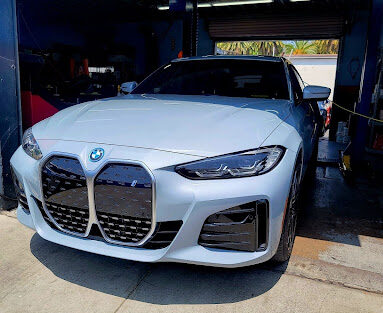
G26 i4 – The Full Electric Shift (2022–Present)

The BMW i4 represents a major turning point:

This is where the 4-Series platform transitions from internal combustion → electrification → full EV, without abandoning BMW’s driving character.

Production Years: 2022–Present
Body Style: Gran Coupe (EV-only)

Electric Powertrains & Output

  • i4 eDrive40: ~335 hp

  • i4 M50 (Dual Motor AWD): ~536 hp

What Makes the i4 Different

  • Fully electric drivetrain
  • Instant torque delivery
  • Lower center of gravity due to battery placement
  • Regenerative braking replaces traditional engine braking feel

Ownership Considerations

  • Battery thermal management is critical
  • Software updates play a larger role than ever
  • Suspension and tire wear still matter — it’s still a BMW

Who it’s for
Drivers who want performance, luxury, and daily usability — without fuel.

Hybrid vs Full Electric — Quick Clarity

Many owners hear “hybrid” and “electric” used interchangeably. They are not the same.

  • Mild Hybrid (48V):
    Assists the engine, improves efficiency, still gasoline-powered

  • Plug-In Hybrid (not common in 4-Series):
    Gas + electric motors

  • Full Electric (i4):
    No engine, no fuel, fully battery-powered

This distinction matters for maintenance, diagnostics, and ownership expectations.

Why This Matters at Bimmer PhD

When someone says “I have a 4-Series”, that could mean:

  • A turbocharged inline-4 coupe

  • A B58 inline-6 mild hybrid

  • Or a 536-horsepower fully electric i4 M50

Each one requires completely different knowledge, tooling, and service strategy.

That’s why guides like this exist on BimmerPhD.com — to educate first, service second.