Bimmer PHD Motorsports

Owner's Guide

BMW 5 SERIES

From the Analog Classics to the Fully Electric i5

The BMW 5-Series has always been BMW’s executive sports sedan—where comfort, performance, and technology meet. More than any other BMW line, the 5-Series shows how BMW evolved from mechanical excellence into advanced electronics, hybrid systems, and now full electrification.

If you’ve ever heard:

  • “It’s a 528… I think?”
  • “Is my 5-Series a hybrid?”
  • “What’s the difference between a 540 and an i5?”

This guide clears it up.
E28 – The Foundation (1982–1988)

Production Years: 1982–1988

Body Style: Sedan

Common Models: 528e, 535i, M5

Engines & Horsepower

  • M20 (I6): ~121–182 hp
  • M30 (I6): ~182–208 hp
  • S38 (M5): ~256 hp

Why It Matters

  • First true sport sedan formula
  • Simple, durable inline-6 engines
  • Set the tone for every 5-Series after it

Common Concerns

  • Age-related cooling and fuel system wear
  • Suspension bushings and mounts
  • Interior and exterior reconditioning.

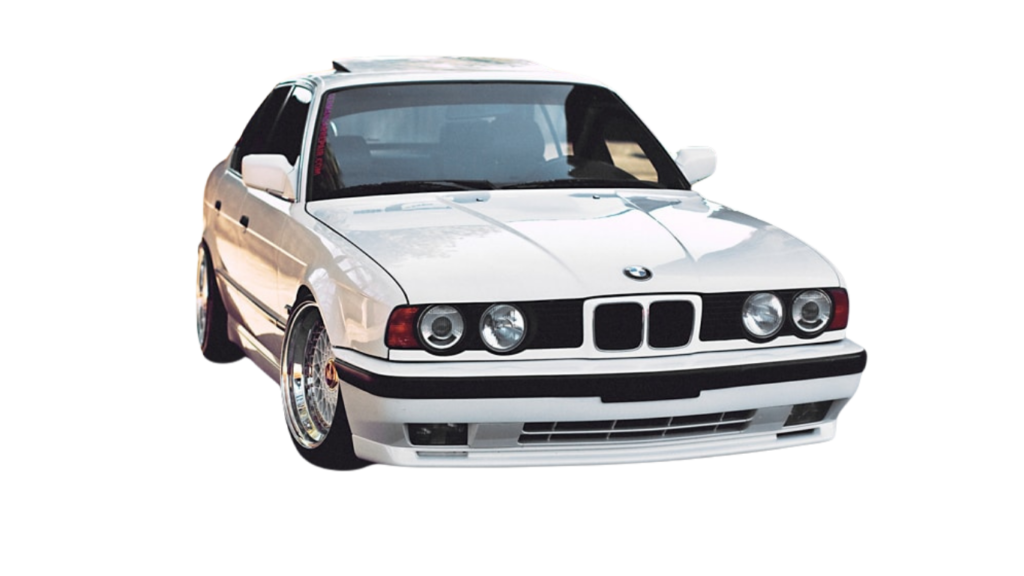
E34 – The Overbuilt & Legend (1989–1996)

Production Years: 1989–1996

Body Styles: Sedan, Wagon

Common Models: 525i, 530i, 535i, 540i, M5

Engines & Horsepower

  • M20 / M50 (I6): ~168–189 hp
  • M60 V8: ~282 hp
  • S38 (M5): ~311–335 hp

Strengths

  • Extremely solid & durable chassis
  • Smooth long lasting reliable engines
  • Basic electronics, primarily mechanical systems.

Known Issues

  • Dated & underpowered technology 
  • Aged & worn rubber & gasket seals. 
  • Cooling system & engine oil leak issues.
  • V8 timing chain guide wear (age/mileage dependent)
  • Most models need full reconditioning.

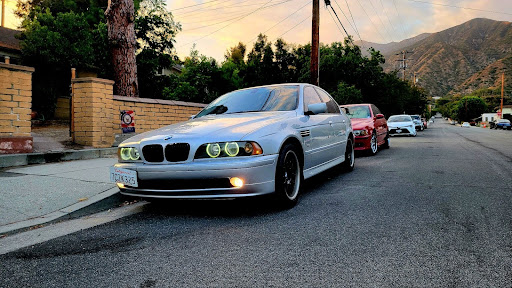
E39 – The Benchmark (1997–2003)

Production Years: 1997–2003

Body Styles: Sedan, Wagon

Common Models: 528i, 530i, 540i, M5

Engines & Horsepower

  • M52 / M54 (I6): ~190–225 hp
  • M62 V8: ~282–290 hp
  • S62 (M5 V8): 394 hp

Why It’s Still Revered

  • Near-perfect balance of comfort and sport
  • Mechanical feel with modern refinements
  • One of BMW’s most reliable long-term platforms
  • Capable of 300K+ miles, when properly maintained.

Common Issues

  • The cooling system is primarily composite plastic.
  • Oil leaks related to poor crankcase pressures. 
  • Oil consumption & sensor issues.
  • Suspension wear due to age & high mileage.
  • Heavier vehicles caused rapid tire wear.

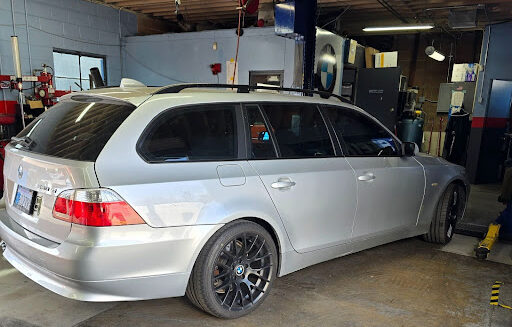
E60 / E61 – Technology Explosion (2004–2010)

Production Years: 2004–2010

Body Styles: E60 Sedan, E61 Wagon

Common Models: 528i, 535i, 550i, M5

Engines & Horsepower

  • N52 (I6): ~215–230 hp
  • N54 / N55 (Turbo I6): ~300 hp
  • N62 V8: ~360 hp
  • S85 (M5 V10): 500 hp

What Changed

  • iDrive introduced (infotainment-system)
  • Turbocharging enters mainstream N54 & N55 Engines.
  • Electronics become central in all systems with the use of CAN-BUS technology. 
  • Keyless entry & push button start convenience becomes the norm.

Ownership Considerations

  • Higher cost of maintenance
  • Cooling and oil leak issues 
  • High-pressure fuel systems & clogged GDI injectors
  • Carbon buildup & additional maintenance 
  • Advanced diagnostics & required

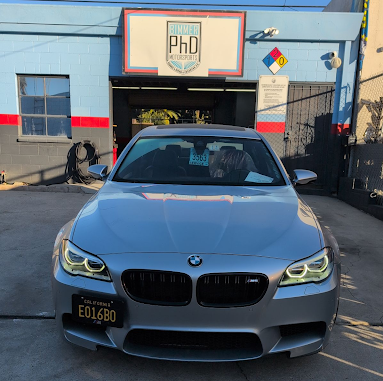
F10 – Efficiency Dynamics (2011–2016)

Production Years: 2011–2016

Body Styles: Sedan, Wagon

Common Models: 528i, 535i, 540i, 550i, M5

Engines & Horsepower

  • N20 (Turbo I4): ~240 hp
  • N55 (Turbo I6): ~300 hp
  • B58 (Turbo I6): ~335 hp
  • N57 Turbo Diesel I6 ~258 hp
  • N63 V8: ~400–445 hp
  • S63 (M5): ~560–600 hp

Highlights

  • First inline-4 in the 5-Series
  • Modern Turbo Diesel introduction. 
  • Strong performance across the lineup
  • Interactive media technology 
  • Camera technology becomes mainstream

Known Issues

  • Early model N20 engines timing chain issues. 
  • V8 heat management
  • Increasing electronic dependency
  • Regular maintenance becomes critical.

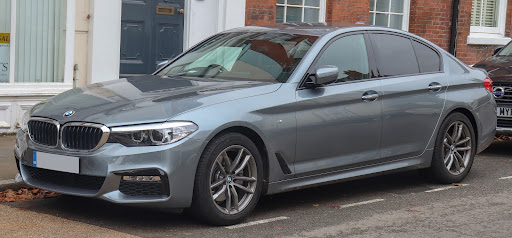
G30 – Hybrid Era Begins (2017–2023)

Production Years: 2017–2023

Body Styles: Sedan

Common Models: 530i, 540i, 530e, M550i

Engines & Horsepower

  • B48 (Turbo I4): ~248 hp
  • B58 (Turbo I6): ~335 hp
  • 530e Plug-In Hybrid: ~288 hp combined
  • N63 V8: ~523 hp

Major Shift

  • Plug-in hybrid enters the lineup
  • Media & interactive features advance.
  • Advanced driver assistance system ADAS
  • Software becomes integral to performance CAN-Bus technology is at its peak.

What to Watch

  • Hybrid battery cooling systems
  • Software updates, & access to BMW subscription.
  • Suspension and alignment precision
  •  Complex systems require more advanced specialty tools and precision instructions.

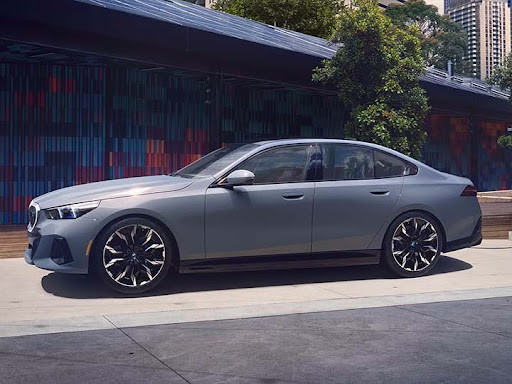
G60 i5 – Full Electric Arrives (2024–Present)

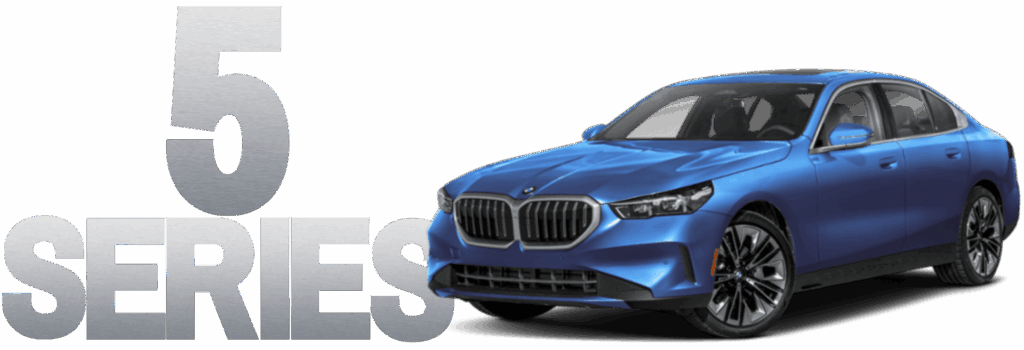
The BMW i5 marks the 5-Series’ move from hybrid to fully electric, without abandoning luxury or performance.

Production Years: 2024–Present

Body Style: Sedan (EV)

Electric Power & Output

  • i5 eDrive40: ~335 hp
  • i5 M60 xDrive: ~590 hp

What’s Different

  • No engine or transmission
  • Battery-integrated chassis
  • Instant torque, quiet operation
  • Regenerative braking replaces traditional engine braking

Ownership Considerations

  • Battery thermal management
  • Software-driven systems
  • Still requires suspension, brakes, and tire maintenance.
  • Regular cooling system maintenance is a must.

Hybrid vs Electric — Why It Matters

  • Inline-4 / Inline-6 (ICE): Traditional service and maintenance
  • Plug-In Hybrid (530e): Engine + battery + cooling complexity
  • Full Electric (i5): No oil changes, but high-voltage expertise required


These distinctions directly affect diagnostics, service planning, and long-term ownership.

Why This Lives on Bimmer PhD’s Website

A “5-Series” could mean:

  • A 1999 E39 with a naturally aspirated inline-6
  • A turbocharged inline-4 executive sedan
  • Or a 590-horsepower electric i5


Each one requires different knowledge, training, tooling, and experience. .

That’s the education-first approach behind Bimmer PhD.