Bimmer PHD Motorsports

Owner's Guide

BMW 6 SERIES

Grand Touring Luxury, Performance, and Technology Evolution

The BMW 6-Series has always lived in a different lane than the 5-Series. Designed for grand touring, not practicality—longer doors, a wider stance, greater power, and unmistakable presence.

Over the years, the 6-Series evolved from a classic luxury coupe into a high-tech platform that eventually  transformed into a plug-in hybrid technology before BMW transitioned those ideas into other models.

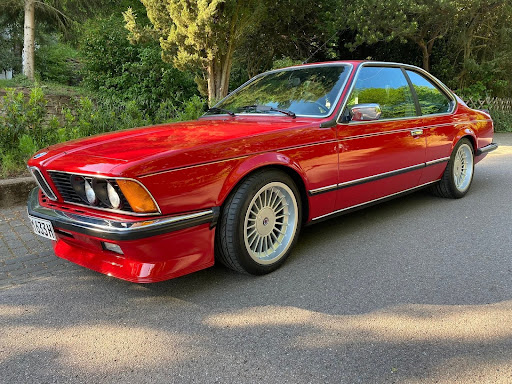
E24 – The Original Sharknose (1976–1989)

Production Years: 1976–1989

Body Style: Coupe

Common Models: 628CSi, 633CSi, 635CSi, M6

Engines & Horsepower

  • M30 Inline-6: ~181–208 hp
  • S38 (M6): ~256 hp (US), higher in Euro spec

Why It’s Iconic

  • Long hood, pillarless coupe design
  • Mechanical simplicity
  • True grand touring character

Ownership Considerations

  • Age-related restoration issues
  • Engine, cooling, fuel.
  • Suspension and steering wear
  • Electrical aging, not design flaws

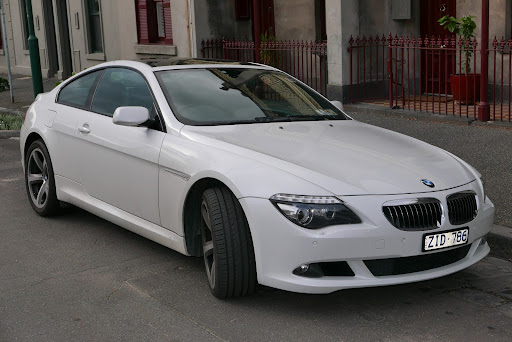
E63 / E64 – Technology Takes Over (2004–2010)

Production Years: 2004–2010
Body Styles:

  • E63 – Coupe
  • E64 – Convertible


Common Models: 650i, 645i, M6

Engines & Horsepower

  • N62 V8: ~325–360 hp
  • S85 V10 (M6): 500 hp

Major Shifts

  • iDrive introduced
  • Birth of fiber optic bus technologies & software driven systems.
  • High-revving V10 makes the M6 legendary
  • Timeless looks with advanced features.

Known Issues

  • Cooling and oil leaks
  • SMG transmission behavior (M6)
  • Engine internals, rod bearings, Vanos issues, valve guide seals.
  • Electronics require proper diagnostics & repair.
  • Higher cost of ownership due to maintenance needs.

Who it’s for
Luxury performance buyers who accept complexity for character with a pricer maintenance schedule.

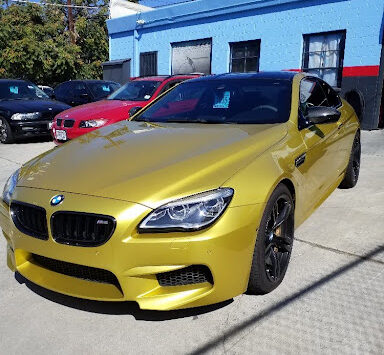
F12 / F13 / F06 – Peak Modern 6-Series (2012–2018)

Production Years: 2012–2018
Body Styles:

  • F12 – Convertible
  • F13 – Coupe
  • F06 – Gran Coupe (4-door)

Common Models: 640i, 650i, M6

Engines & Horsepower

  • N55 / B58 Inline-6: ~315–335 hp
  • N63 V8: ~445 hp
  • S63 (M6): ~560–600 hp

Why Many Consider This the Sweet Spot

  • Technology driven in most systems.
  • Massive performance with refinement
  • Gran Coupe adds practicality & space.
  • Turbocharging improves performance

Common Ownership Concerns

  • V8 heat management
  • Suspension and adaptive systems
  • Brake & Tire wear due to vehicle weight

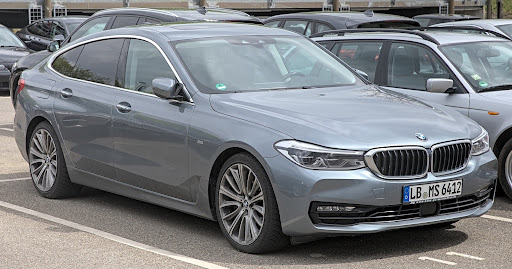
G32 – The 6-Series Gran Turismo (2018–2023)

This generation marked a philosophical shift. BMW repositioned the 6-Series away from coupes and into a luxury technology flagship. Sharing roots with the 7-Series and a wagon-like rear end from the 5-Series, this spacious Gran Turismo focused on comfort, practicality, and advanced technology over outright sportiness.

Production Years: 2018–2023

Body Style: Gran Turismo (hatchback)

Common Models: 630i, 640i, 640i xDrive, 640e

Engines & Horsepower

  • B48 Inline-4 Turbo: ~255 hp

  • B58 Inline-6 Turbo: ~335 hp

  • 640e Plug-In Hybrid: ~322 hp combined

Why This Matters

  • First inline-4 engine in the 6-Series

  • First plug-in hybrid 6-Series

  • Heavy emphasis on ride comfort and technology

Ownership Considerations

  • Hybrid battery cooling systems

  • Software-driven drivability

  • Advanced suspension components

Hybrid vs Traditional Power — Quick Clarity

By the end of the 6-Series run, owners could have:

  • A naturally aspirated V8

  • A turbocharged inline-6

  • A turbocharged inline-4

  • Or a plug-in hybrid

Each version requires very different service strategies, diagnostics, and long-term planning.