Bimmer PHD Motorsports

Owner's Guide

BMW 8 SERIES

BMW 8-Series Owner Guide

BMW’s Halo Grand Tourer — Power, Presence, and Engineering Tradeoffs

The BMW 8-Series has never been about volume or practicality. It exists to showcase BMW’s top-tier design, materials, and powertrains in a true grand touring format.

Because of that mission, every 8-Series generation carries:

  • High-output engines

  • Tight packaging

  • Advanced electronics

  • Known engineering compromises that require informed ownership

This guide covers U.S.-market 8-Series generations only, with accurate chassis codes and real-world ownership insight.

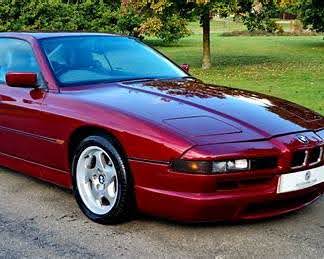
E31 – The Original 8-Series (1991–1997, US)

Production Years (US): 1991–1997

Body Style: Coupe

Common Models: 840Ci, 850Ci

Engines & Horsepower

  • M60 / M62 V8: ~282–286 hp

  • M70 / M73 V12: ~296–322 hp


What BMW Got Right

  • First BMW V12 coupe

  • Pillarless, timeless design

  • Extremely rigid chassis for its era


Inherent Design Weaknesses

  • Early-generation electronic complexity

  • Aging wiring insulation and modules

  • Throttle-by-wire systems with limited modern support

  • Cooling systems that demand meticulous upkeep


Ownership Reality:

Today, E31 ownership is about preservation and preventative care, not convenience.

G14 / G15 / G16 – Modern 8-Series (2019–Present, US)

BMW reintroduced the 8-Series as a modern flagship grand tourer, positioned above the 6-Series and distinct from the 7-Series.

Chassis Codes & Body Styles

  • G14 – Convertible

  • G15 – Coupe

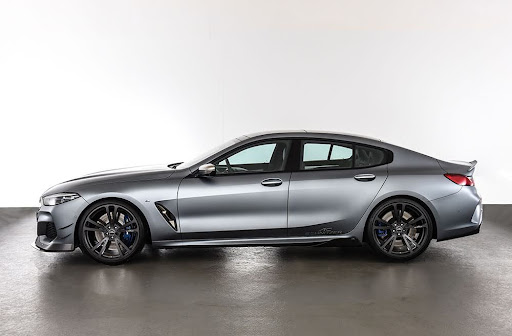
  • G16 – Gran Coupe (4-door)

Production Years (US): 2019–Present
Common Models: 840i, 850i


Engines & Horsepower

  • B58 Turbo Inline-6 (840i): ~335 hp

  • N63 Twin-Turbo V8 (850i): ~523 hp


Engineering Highlights

  • CLAR platform with aluminum and carbon reinforcement

  • Adaptive suspension standard

  • AWD systems tuned rear-biased for performance


Known Design Tradeoffs (Reality Check)

B58 Inline-6:

  • Generally reliable by BMW standards

  • Cooling system complexity still exists

  • Suspension and alignment sensitivity due to vehicle weight

N63 V8 (850i)

  • Heat management remains the primary weakness

  • Oil consumption patterns persist

  • Turbochargers and cooling components live in extreme thermal environments

  • Tight engine bay = higher labor costs for routine repairs

These engines reward owners who follow shorter service intervals and proactive maintenance.

M8 Variants – High-Performance Sub-Platform (2019–Present, US)

While the standard 8-Series uses G-chassis codes, the M8 models carry F-chassis designations, following BMW M’s internal coding convention.

M8 Chassis Codes

  • F91 – M8 Convertible

  • F92 – M8 Coupe

  • F93 – M8 Gran Coupe


Engine & Horsepower

  • S63 Twin-Turbo V8:

  • ~600 hp (standard)

  • ~617 hp (Competition)


What Makes the M8 Different

  • Motorsport-derived S63 engine

  • Upgraded cooling and lubrication systems

  • Reinforced driveline and braking systems


Inherent Engineering Realities

  • Rod bearing wear is a service-timing issue, not a surprise failure

  • High oil temperatures under load

  • Brakes, tires, and suspension are consumables

  • Tight tolerances leave little margin for deferred maintenance


Ownership Reality

The M8 is a luxury GT with supercar output — not a casual daily driver if neglected.

Why the 8-Series Is Different

An 8-Series owner is not buying:

  • Simplicity

  • Low operating costs

  • Long maintenance intervals


They’re buying:

  • Presence

  • Power

  • BMW engineering pushed to the edge


BMW designed the 8-Series assuming disciplined ownership.