Bimmer PHD Motorsports

Owner's Guide

BMW 3 SERIES

From E30 through Today — Powered by BimmerPhD.com

BMW’s 3-Series is one of the most iconic sports sedans ever built in the world . Every generation has its own characters, engines, and  idiosyncrasies. Whether a friend drives a classic E30 or a modern-day G20, this guide helps answer the questions most people don’t know — like “which engine do I have?” and “what should I expect in terms of power and maintenance costs?”

This content ties directly into the BMW repair and service resources available at BimmerPhD.com, helping owners understand their car before they schedule service at bimmerphd.com
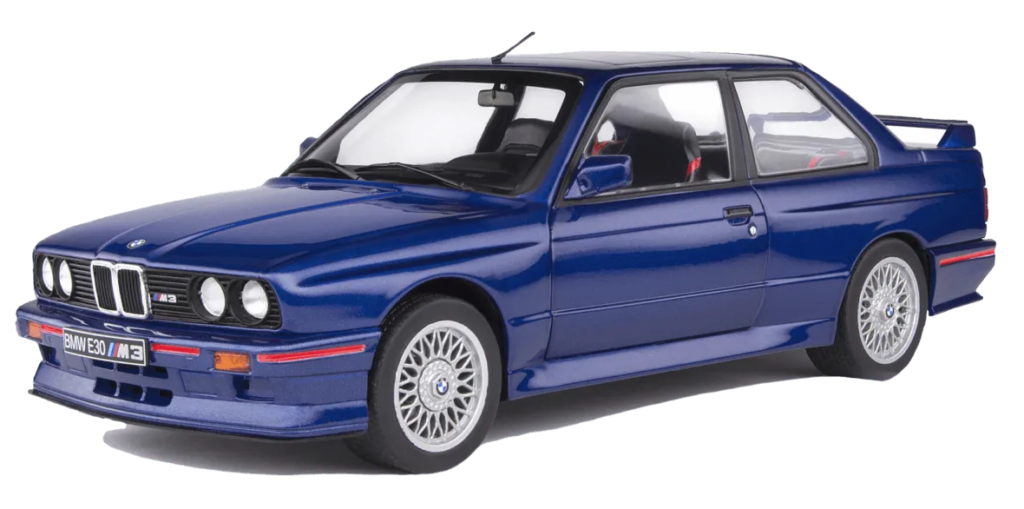
The Iconic E30 – (1982–1994)

Production Years: 1982–1991

Body Styles: Sedan, Coupe, Convertible, Wagon

Common Models: 318i, 325e, 325i, M3

Engines & Power

  • M10 / M40 (4-cyl): ~105–130 hp
  • M20 (I6): ~135–170 hp
  • M3 S14 (I4 rev-match race engine): ~192–238 hp

Why it’s special

  • Lightweight, driver-centric, and mechanically simple, basically fun to drive.


  • Great platform for DIY enthusiasts and first BMW owners as the systems are very basic & mechanical.

What to watch for

  • Age-related wear, cooling system, anything rubber, suspension. Remember its 36 years old.
  • Electrical gremlins from old  relays, harnesses, & sensors.
  • Be prepared to restore systems. Most are projects needing restoration time.

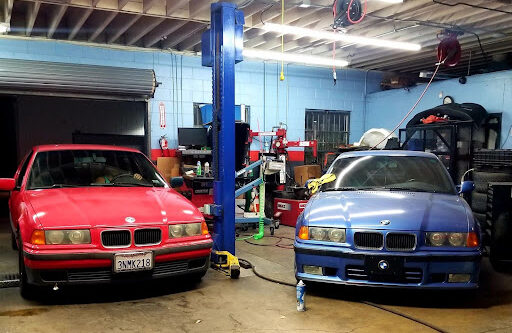
The Long lasting E36 – A Strong Performer (1990–2000)

Production Years: 1990–2000

Body Styles: Sedan, Coupe, Convertible, Compact ti (hatchback)

Common Models: 318i, 323i, 328i, M3

Engines & Power

  • S50 / S52 (M3 I6): ~240–240+ hp depending on year
  • M42 / M44 (4-cyl): ~138–170 hp
  • M50 / M52 (I6): ~170–240 hp

Why owners love it

  • Great handling and balance with basic technology
  • Driver-focused manual controls provide true road feel 
  • Many used models are still available for restorations.

Common issues

  • Plastic cooling parts tend to fail over time & cause  catastrophic engine damage.
  • Suspension Shocks, bushings and joint need full restoration
  • The interior needs reupholstery or reconditioning.
  •  vehicle has failed emissions.

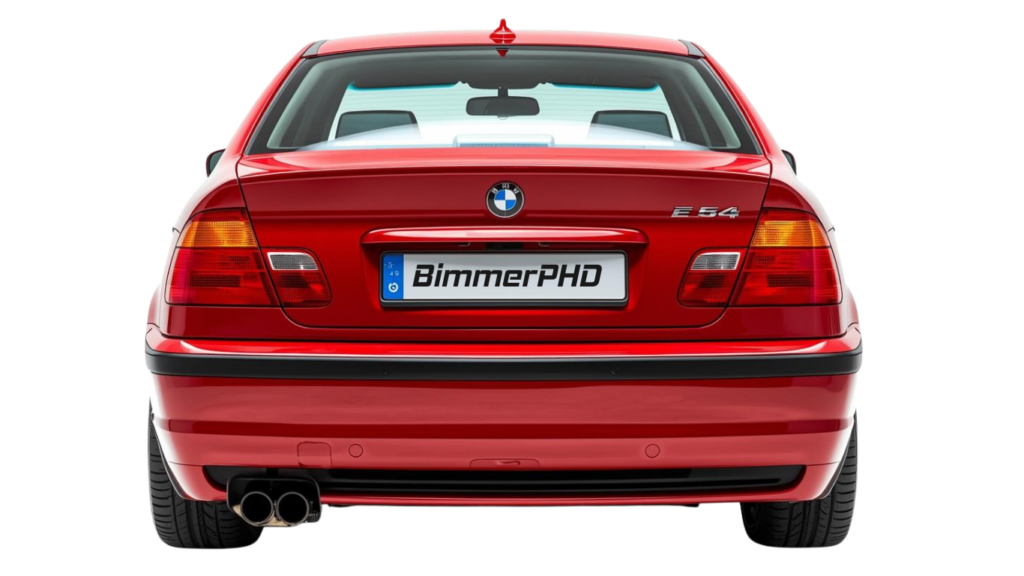
The Sweet Spot E46 – (1999–2006)

Production Years: 1999–2006

Body Styles: Sedan, Coupe, Convertible, Wagon

Common Models: 323i, 328i, 330i, M3

Engines & Power

  • M52/M54 (I6): ~170–235 hp


  • S54 (M3 I6): ~333 hp

Strengths

  • Smooth, comfortable and responsive.
  • Reliable mechanical and hydraulic technology.
  • Excellent aftermarket support
  • Fantastic balance of traditional BMW with modern day upgrades.

Known concerns

  • Weak plastic cooling systems
  • Failed crankcase systems’ cause oil consumption
  • Multiple engine oil leaks due to poor crankcase pressure,
  •  aged and worn rubber suspension components including diff and subframe mounts,  neglected  can cause body and frame damage.
  • Worn engine seals and bearings  will need replacement at 200K miles.

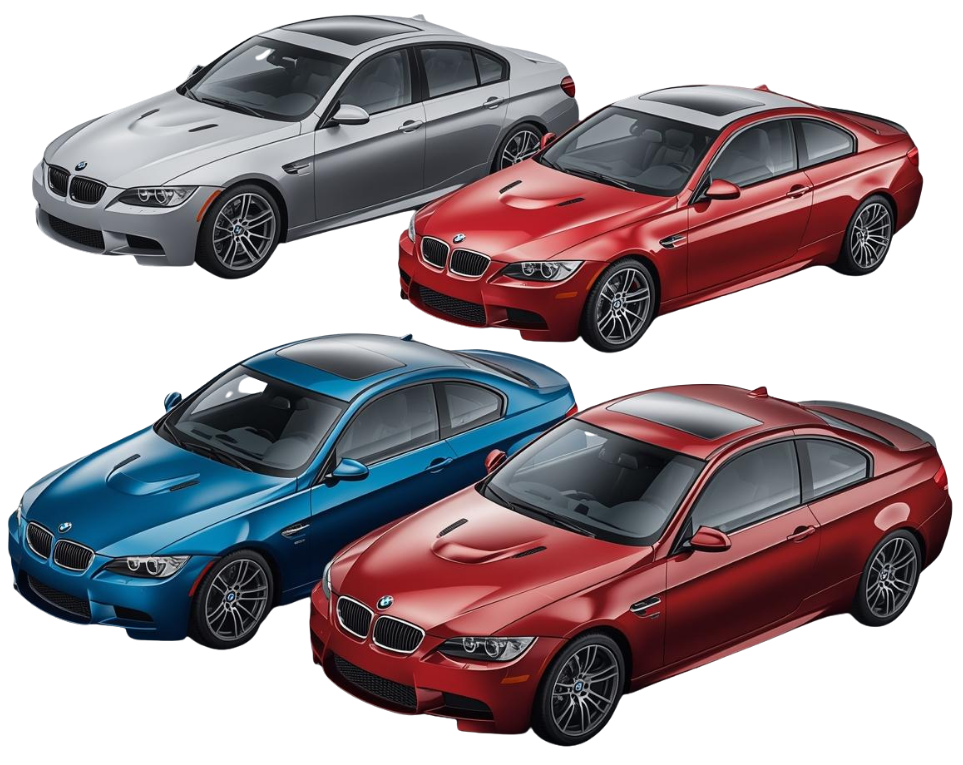
E90/E91/E92/E93 – The Transition Years (2006–2013)

Production Years: 2006–2013

Body Styles: Sedan, Wagon (E91), Coupe (E92), Convertible (E93)

Common Models: 328i, 335i, M3

Engines & Power

  • N52 (I6 NA): ~170–215 hp
  • N54 (I6 Twin-Turbo): ~300 hp
  • N55 (I6 Turbo): ~300 hp
  • S65 (M3 V8): 414 hp

Highlights

  • Turbocharger  power brings strong midrange torque & power.
  • Great chassis handling with modern comfort & new  technology.
  • Strong aftermarket performance support.
  • Hydraulic and mechanical technologies blended with modern day electronics.

What to watch for

  •  extended oil service intervals’cause fluctuating crankcase pressures and multiple gasket leaks that can result into expensive and catastrophic failures.  example oil filter housing gasket, valve cover with built in PCV valve, rod bearings failure, turbocharger failure,
  • Electronics and CAN-bus failures. Battery and charging system failures.  
  •  high pressure Fuel pump and  clogged piezo crystal fuel injector issues due to a new design GDI – Gas direct injection. 
  • Carbon buildup  as a result of direct-injection systems. 
  • Composite plastic cooling system failures, including electric water pump and thermostat.

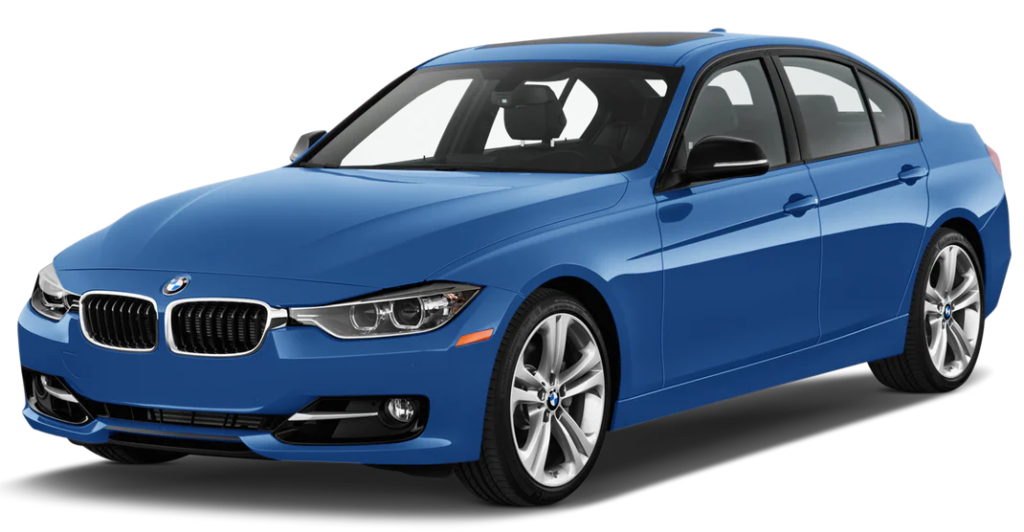
The refined F30- Technology meets Efficiency (2012–2018)

Production Years: 2012–2018

Body Styles: Sedan, Wagon, Gran Turismo

Common Models: 320i, 328i, 330i, 340i, 328d ///M3-F80

Engines & Power

  • N20 Turbo 4-cyl: ~180–245 hp
  • N55 / B58 Turbo I6: ~300–335 hp
  • N47 Diesel Turbo 4-cyl: ~180 hp,  280 lb-ft torque
  • S55 Turbo I6 ~453 hp and 443 lb-ft of torque. F80 ///M3 CS

Why it matters

  • Turbo engines for power and efficiency.
  • Outstanding fuel efficiency 36-43 MPG.
  • Excellent balance of comfort and sportiness
  • Modern technologies like, backup camera, car play etc.

Typical issues

  • Early models had timing chain stretching issues.
  •  advanced complex aluminum suspension, wears easier and sooner than previous models.
  • Electronic technology advanced with bus system communications &  proprietary software — diagnostics  with the right shop matters.

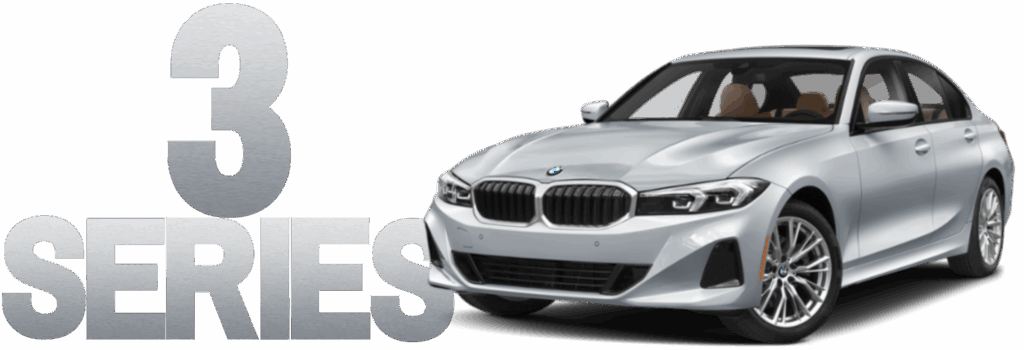
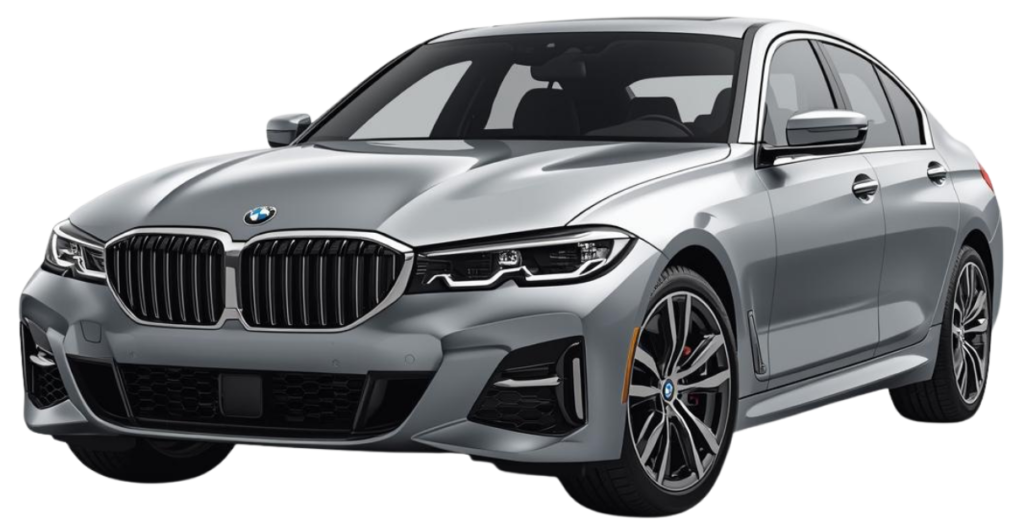
The technologically advanced G20 – Modern TECH meets convenience (2019–Present)

Production Years: 2019–Present

Body Styles: Sedan (G20), Wagon (G21 outside US)

Common Models: 330i, M340i, 330e

Engines & Power

  • B48 2.0 Turbo 4-cyl combined with electric motor: ~ 292 horsepower and 420 Nm of torque
  • B58 (Turbo I6): ~382 hp (M340i) producing 369 lb-ft

Why this generation stands out

  • In 2025, the 330e received a significant second facelift, known as LCI II.
  • Technology: Updated to BMW Operating System 8.5 with iDrive “QuickSelect” for improved digital controls
  • Cutting-edge driver tech and comfort  most people will geek out on. 
  • The “B” series engines in the BMW G Series are very tunable for high performance. These motors are widely considered some of the best modern platforms for aftermarket modifications.

Common Maintenance Pitfalls

  • Cooling System Fragility: The use of thermoplastic composite materials in the expansion tank, water pump housing, and coolant vent hoses often leads to  heat soaked, brittle components that crack & leak over 30–60k  miles. In B48 motors, failures in the oil filter housing’s coolant circuit, which is made entirely of composite plastic, can rapidly wrap & cause catastrophic coolant system failure.
  • Gasket and Oil Leaks: Like previous generations, these engines are prone to leaks   due to imbalance in the crankcase system, leaks can occur from the valve cover gasket (VCG) to the oil filter housing gasket (OFHG) as plastic & rubber seals lose elasticity due to heat cycles.
  • Oil Filter Disintegration: A unique pitfall where the oil filter can get crushed or torn apart inside the housing, potentially allowing metal and dirt to circulate through the engine. This is often caused by using cheap aftermarket filters or exceeding oil change intervals over 7k miles.
  • Carbon Buildup: As direct-injection engines, the intake valves do not get washed with fuel, leading to carbon deposits that can cause rough idling or loss of power. BG fuel system cleanings & engine oil system cleaning as  essential for engine longevity. 
  • VANOS – variable valve timing and High Pressure Fuel Pump Issues: High-pressure fuel pump (HPFP) internal failures can cause stumbling or stalling. Additionally, VANOS solenoids may malfunction due to oil contamination or O-ring degradation. 
  •  BG  fuel and oil system additives are crucial for engine chemistry.