Bimmer PHD Motorsports

Owner's Guide

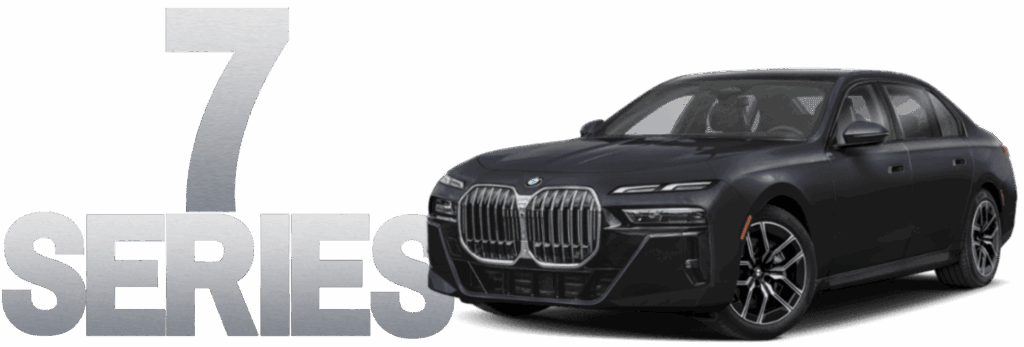
BMW 7 SERIES

BMW’s Flagship Luxury — Engineering Excellence with Real-World Tradeoffs

The BMW 7-Series has always been BMW’s technology and luxury flagship. Nearly every major system BMW eventually rolls into the rest of the lineup debuts here first.

That also means the 7-Series often carries:

  • First-generation technology

  • Complex drivetrains

  • Known design compromises that only show up with age and mileage

This guide walks through each U.S. 7-Series generation, highlighting what it does well—and what tends to go wrong.
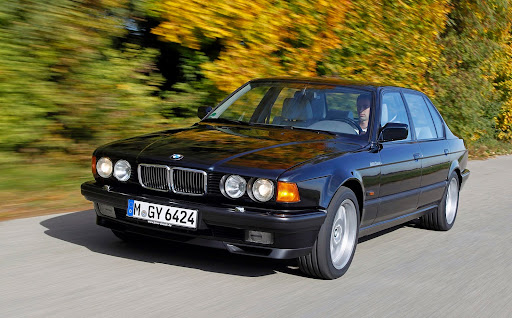
E32 – The Original Flagship (1988–1994)

Production Years (US): 1988–1994

Body Style: Sedan

Common Models: 735i, 740i, 750iL

Engines & Horsepower

  • M30 Inline-6: ~208 hp

  • M60 V8: ~282 hp

  • M70 V12: ~296 hp

What It Did Right

  • First BMW V12 sedan

  • Extremely smooth drivetrains

  • Overbuilt chassis for its era

Inherent Design Issues

  • Early V8 timing chain guide wear

  • Aging wiring insulation

  • Cooling system fragility with age

Ownership Reality

Fantastic when sorted, but age—not mileage—is the biggest enemy now.

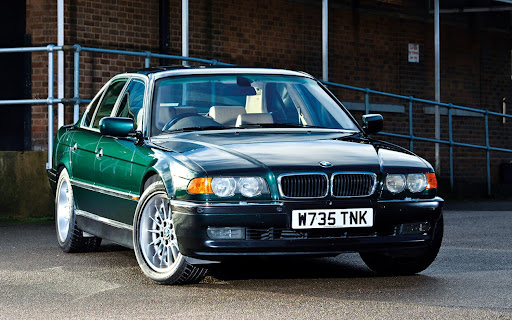
E38 – The Benchmark Luxury Sedan (1995–2001)

Production Years (US): 1995–2001

Body Style: Sedan

Common Models: 740i, 740iL, 750iL

Engines & Horsepower

  • M62 V8: ~282 hp

  • M73 V12: ~322 hp

Why It’s Loved

  • Timeless design
  • Traditional BMW luxury
  • The best-driving 7-Series ever built
  • Amazing driving experience.

Known Design Weak Points

  • V8 timing chain guides (plastic, age-dependent failure)

  • Pleatic Cooling system components.

  • Suspension bushings wear from age & vehicle weight.

Important Note
These engines don’t “fail suddenly”—they fail predictably if ignored.

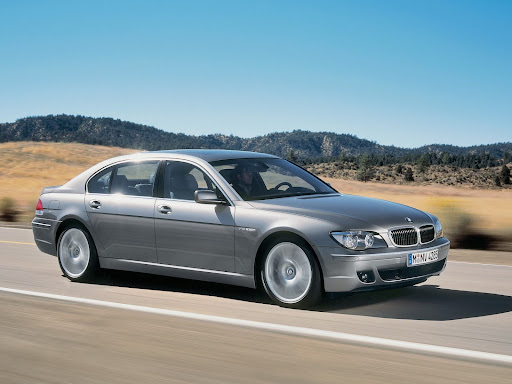
E65 / E66 – Technology Overload Era (2002–2008)

Production Years (US): 2002–2008

Body Styles: Standard & Long Wheelbase

Common Models: 745i, 750i, 760i

Engines & Horsepower

  • N62 V8: ~325–360 hp

  • N73 V12: ~438 hp

What Changed

  • iDrive introduced (infotainment system)
  • Complex electronics require CAN-bus electronics 
  • Active suspension systems
  • Complex electronics

Inherent Design Flaws

  • Valve stem seal wear on N62 V8s (oil consumption by design)

  • Coolant transfer pipe leaks buried under intake

  • Electronic module failures increase with age

Ownership Reality
Incredible comfort, but repairs are labor-intensive, not just parts-related.

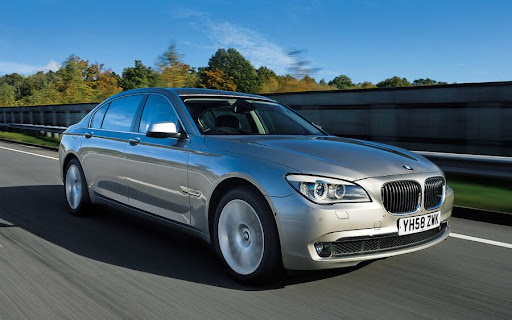
F01 / F02 – Turbo Era Begins (2009–2015)

Production Years (US): 2009–2015

Body Styles: Standard & Long Wheelbase

Common Models: 740i, 750i, 760i

Engines & Horsepower

  • N55 Inline-6 Turbo: ~315 hp

  • N63 Twin-Turbo V8: ~400–445 hp

  • N74 V12: ~535 hp

Major Advancements

  • Turbocharging across the lineup

  • Improved ride isolation

  • Advanced driver assistance

Known Engineering Issues

  • N63 V8 heat management problems

  • Oil consumption and injector failures

  • Early turbo cooling system design flaws

Industry Note:
BMW later released the N63 Customer Care Package acknowledging these shortcomings.

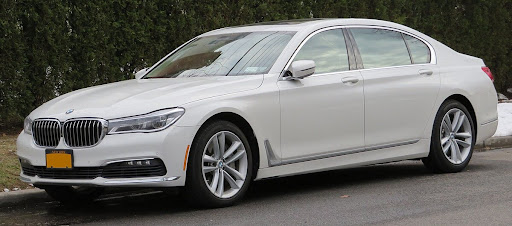
G11 / G12 – Hybrid & Complexity Peak (2016–2022)

Production Years (US): 2016–2022

Body Styles: Standard & Long Wheelbase

Common Models: 740i, 750i, 745e, M760i

Engines & Horsepower

  • B58 Inline-6 Turbo: ~335 hp

  • N63TU V8: ~523 hp

  • 745e Plug-In Hybrid: ~389 hp combined

  • N74 V12 (M760i): ~601 hp

Strengths

  • B58 reliability improvement

  • Plug-in hybrid efficiency

  • Exceptional ride quality

Design Tradeoffs

  • Hybrid battery cooling complexity

  • V8 thermal stress remains

  • Electronics now fully integrated into drivability

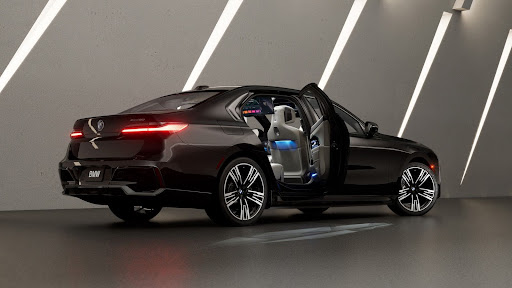
G70 / i7 – Full Electric Flagship (2023–Present)

Production Years : 2023–Present

Body Style: Sedan

Powertrains & Output

  • 740i (B58): ~375 hp

  • i7 xDrive60: ~536 hp

  • i7 M70: ~650+ hp

What’s New

  • Full EV architecture option

  • No engine or transmission in i7

  • Software-defined driving experience

New-Era Considerations

  • Battery thermal management

  • Software updates critical

  • Suspension and tire wear still very real

S-Motors & Performance Reality (Quick Clarity)

While the 7-Series doesn’t carry traditional M “S-motors” like the M3/M5, similar engineering realities apply:

  • High-output engines = tighter tolerances

  • Heat is the enemy

  • Maintenance timing matters more than mileage

Rod bearings, valve seals, and timing components don’t fail randomly—they fail predictably when neglected.