BMW 8-Series Owner Guide
BMW’s Halo Grand Tourer — Power, Presence, and Engineering Tradeoffs
The BMW 8-Series has never been about volume or practicality. It exists to showcase BMW’s top-tier design, materials, and powertrains in a true grand touring format.
Because of that mission, every 8-Series generation carries:
High-output engines
Tight packaging
Advanced electronics
Known engineering compromises that require informed ownership
This guide covers U.S.-market 8-Series generations only, with accurate chassis codes and real-world ownership insight.
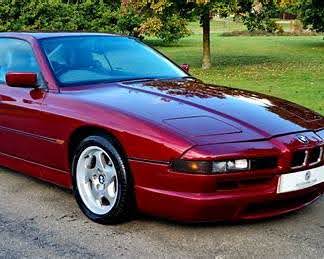
Production Years (US): 1991–1997
Body Style: Coupe
Common Models: 840Ci, 850Ci
Engines & Horsepower
M60 / M62 V8: ~282–286 hp
M70 / M73 V12: ~296–322 hp
What BMW Got Right
First BMW V12 coupe
Pillarless, timeless design
Extremely rigid chassis for its era
Inherent Design Weaknesses
Early-generation electronic complexity
Aging wiring insulation and modules
Throttle-by-wire systems with limited modern support
Cooling systems that demand meticulous upkeep
Ownership Reality:
Today, E31 ownership is about preservation and preventative care, not convenience.
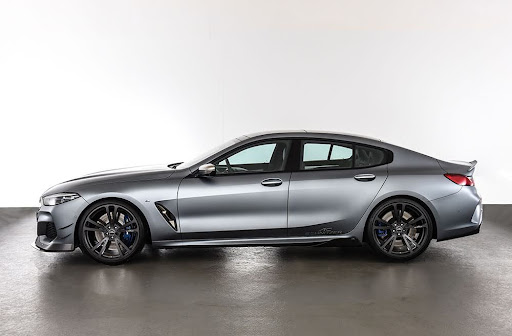
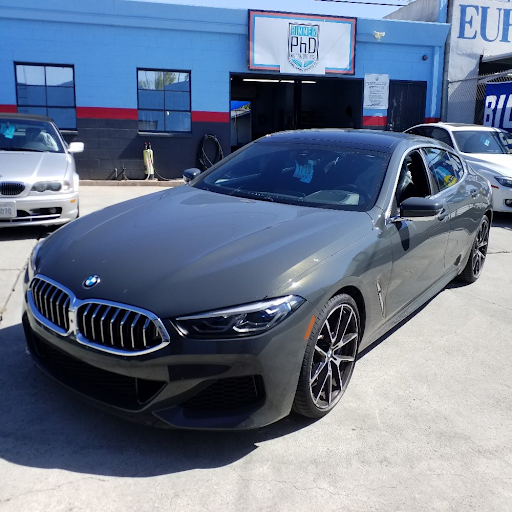
BMW reintroduced the 8-Series as a modern flagship grand tourer, positioned above the 6-Series and distinct from the 7-Series.
Chassis Codes & Body Styles
G14 – Convertible
G15 – Coupe
G16 – Gran Coupe (4-door)
Production Years (US): 2019–Present
Common Models: 840i, 850i
Engines & Horsepower
B58 Turbo Inline-6 (840i): ~335 hp
N63 Twin-Turbo V8 (850i): ~523 hp
Engineering Highlights
CLAR platform with aluminum and carbon reinforcement
Adaptive suspension standard
AWD systems tuned rear-biased for performance
Known Design Tradeoffs (Reality Check)
B58 Inline-6:
Generally reliable by BMW standards
Cooling system complexity still exists
Suspension and alignment sensitivity due to vehicle weight
N63 V8 (850i)
Heat management remains the primary weakness
Oil consumption patterns persist
Turbochargers and cooling components live in extreme thermal environments
Tight engine bay = higher labor costs for routine repairs
These engines reward owners who follow shorter service intervals and proactive maintenance.
While the standard 8-Series uses G-chassis codes, the M8 models carry F-chassis designations, following BMW M’s internal coding convention.
M8 Chassis Codes
F91 – M8 Convertible
F92 – M8 Coupe
F93 – M8 Gran Coupe
Engine & Horsepower
S63 Twin-Turbo V8:
~600 hp (standard)
~617 hp (Competition)
What Makes the M8 Different
Motorsport-derived S63 engine
Upgraded cooling and lubrication systems
Reinforced driveline and braking systems
Inherent Engineering Realities
Rod bearing wear is a service-timing issue, not a surprise failure
High oil temperatures under load
Brakes, tires, and suspension are consumables
Tight tolerances leave little margin for deferred maintenance
Ownership Reality
The M8 is a luxury GT with supercar output — not a casual daily driver if neglected.
Why the 8-Series Is Different
An 8-Series owner is not buying:
Simplicity
Low operating costs
Long maintenance intervals
They’re buying:
Presence
Power
BMW engineering pushed to the edge
BMW designed the 8-Series assuming disciplined ownership.